

Many people operate under the assumption that addressing dental health is a series of isolated events—a filling here, a crown there, or an occasional whitening treatment to brighten a smile. They see these interventions as separate, manageable tasks that can be handled as individual concerns arise. However, the reality of oral health is much more integrated. When multiple functional or aesthetic issues develop simultaneously, treating them in a fragmented way often leads to diminishing returns and recurring complications.
The assumptions surrounding how we manage complex dental needs
A common belief is that major restorative work is only necessary when a crisis occurs, such as sudden pain or a traumatic injury. In this view, a patient waits for a clear, undeniable symptom before seeking a professional opinion. This reactive stance often leads to a cycle of temporary fixes. For example, replacing one tooth without considering how the remaining teeth support the bite can sometimes place undue stress on other areas of the mouth.
Another prevalent oversimplification is the idea that dental aesthetics and structural function are two separate goals. Patients often think they can prioritize the look of their smile while deferring the underlying issues related to how their jaw functions, how teeth meet, or how gums support the overall structure. In practice, long-term health typically depends on aligning these two factors. When the bite is misaligned, even the most beautifully crafted restorative work may be subject to premature wear, as the forces exerted during chewing are not distributed evenly across the teeth.
Why a systemic approach to restorative dentistry matters more
Effective care for extensive dental concerns typically relies on a comprehensive strategy. Rather than treating individual teeth, a practitioner looks at the mouth as a singular ecosystem. This is where the concept of full mouth reconstruction in San Francisco becomes highly relevant for residents considering the long-term viability of their dental health. By examining the relationship between the teeth, the jaw joints, and the surrounding facial muscles, a provider can create a plan that addresses the root causes of wear, erosion, or misalignment.
For many patients, the goal is to create a foundation that is both stable and durable. If a person has experienced significant tooth loss or heavy wear, they may benefit from a combination of treatments designed to restore vertical dimension and bite harmony. This might involve a variety of procedures, but the sequence and the rationale behind them are what distinguish a durable outcome from a short-term fix. A methodical approach ensures that each step supports the final goal of a fully functioning, comfortable, and aesthetically balanced mouth.
How to distinguish between symptom-focused care and comprehensive planning
When seeking professional advice, it can be difficult to tell the difference between a practitioner who focuses on single-visit solutions and one who specializes in broader reconstructions. One way to gauge the approach is to look at the diagnostic phase. A practitioner focused on comprehensive care will typically spend significant time on assessment before proposing a treatment path.
Ask yourself what kind of information the provider is gathering. Are they taking detailed records of your bite, performing a thorough examination of your gum health, and evaluating the jaw joints? If a provider suggests a complex plan without a comprehensive assessment, it is reasonable to ask for more clarity. A transparent practitioner will be able to explain the “why” behind every recommendation, detailing how the proposed work fits into your long-term oral health rather than just solving an immediate surface issue.
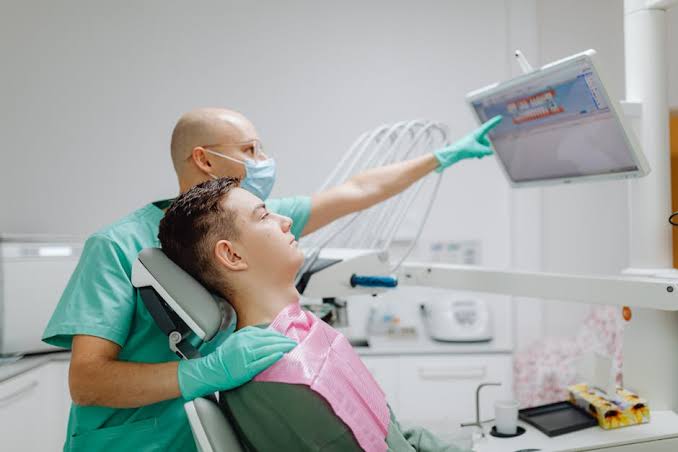
Furthermore, consider the diagnostic tools being used. Modern practices often employ digital imaging or specialized models to show exactly how a proposed bite correction will look and feel. This transparency allows patients to understand the mechanics of their care, which is vital when investing in restorative or complex work.
Reframing the role of dental implants in San Francisco in your overall health
When addressing tooth loss, many people immediately consider dental implants in San Francisco as a standalone solution. While they are a highly effective way to replace missing teeth, their role is most powerful when they are integrated into an overall reconstruction plan. A dental implant is not just a replacement for a root; it is a structural pillar that can restore the natural balance of the bite.
For residents in the area, the consideration should be how these implants interact with the health of the surrounding bone and the neighboring teeth. If you are missing several teeth, simply replacing them one by one without assessing the integrity of the remaining structure may leave you with ongoing issues. Instead, think of an implant as part of a larger, coordinated effort to return your mouth to a state where it can function efficiently for years.
When you speak with a practitioner, inquire about how they determine the placement of an implant in relation to your entire jaw structure. A thoughtful provider will explain how the position of the implant can support the overall bite force and contribute to the longevity of the restorative work done on adjacent teeth. This level of planning is what moves dental care from simple replacement to genuine restoration.
Ultimately, the best way to think about complex dental care is as an investment in a system that is expected to work every day for a lifetime. Whether you are considering full mouth reconstruction in San Francisco or exploring the long-term benefits of dental implants in San Francisco, the most useful perspective is one of patience and coordination. By moving away from the assumption that every dental issue is an isolated incident and toward a model of integrated health, you can make decisions that offer lasting stability. The most successful outcomes are typically those that prioritize the harmony of the entire mouth, ensuring that function and appearance remain aligned through the years.