

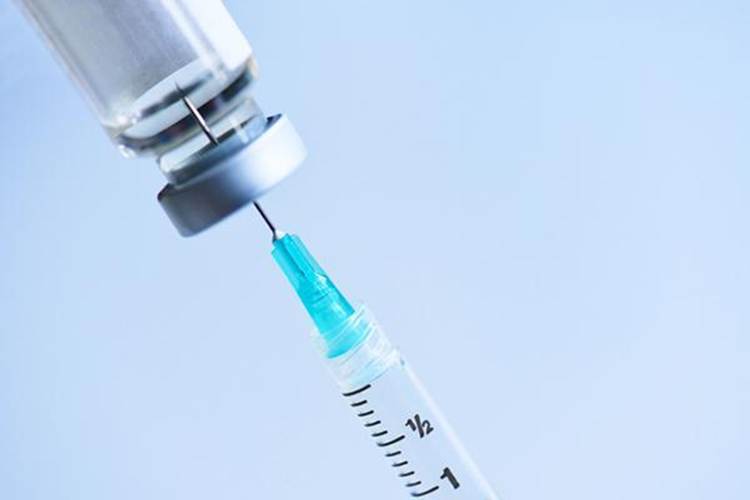
Whether you’re recovering from intense exercise, a sports injury, or surgery, supporting your body’s natural healing process is essential. As interest in peptides for sale continues to grow, many people are exploring how these powerful compounds may help improve recovery, reduce downtime, and promote tissue repair. Peptides have gained attention for their ability to support muscle regeneration, manage inflammation, and enhance the body’s healing response.
This evidence-based guide explains how peptides work, their potential role in recovery, and how they may complement a well-rounded rehabilitation plan. You’ll also learn how proper nutrition, rest, and professional guidance can maximize recovery and help you return to your normal activities sooner.
What Are Peptides?
Peptides are short chains of amino acids containing between two and one hundred amino acids connected by peptide bonds. Because they are much smaller than proteins, they can interact with cells more efficiently and serve as highly targeted biological messengers involved in healing, tissue repair, hormone signaling, and immune function.
The human body naturally produces thousands of different peptides that regulate a wide range of biological processes. Peptides can also be obtained through protein-rich foods such as eggs, fish, dairy products, meat, soy, and legumes. Certain peptides are also available through medically supervised therapies and dietary supplements designed to support specific health goals.
Several categories of peptides are commonly associated with recovery and overall wellness.
Collagen peptides help support healthy skin, joints, connective tissues, and wound healing.
Growth factor peptides encourage tissue regeneration and muscle repair by stimulating cellular growth.
Signaling peptides act as messengers that regulate communication between cells, hormones, and the immune system.
Antimicrobial peptides form part of the body’s natural defense system by helping protect against harmful microorganisms.
Cardiovascular peptides contribute to healthy circulation, blood pressure regulation, and fluid balance.
Plant-derived peptides may help support cardiovascular health while promoting healthy cholesterol levels and reducing inflammation.
Although peptide terminology may seem technical, most peptide names simply describe their biological function, origin, or amino acid sequence.
How Do Peptides Accelerate the Healing Process?
Understanding how peptides work helps explain why they have become an area of growing interest in rehabilitation and recovery. Their biological activity targets several key mechanisms involved in repairing damaged tissues and restoring normal function.
Peptides and Tissue Repair
Peptides play an important role in tissue repair by encouraging collagen production, stimulating new blood vessel formation, and supporting the regeneration of damaged tissues. These processes are essential during recovery from injuries, surgery, and repetitive physical stress.
Research has shown that certain tissue-repair peptides may help support healing in tendons, ligaments, muscles, bones, and the gastrointestinal tract. They may also promote collagen synthesis, improve circulation by supporting nitric oxide pathways, reduce oxidative stress, and help regulate inflammatory responses that can delay recovery.
Scientific studies have also suggested that some tissue-repair peptides may increase growth factor activity within injured tendons, supporting the body’s natural regenerative processes during the early stages of healing.
Peptides for Muscle Recovery
Muscle recovery depends on repairing damaged muscle fibers while stimulating the development of new muscle tissue. Certain peptides may help activate insulin-like growth factor pathways that play a critical role in muscle regeneration and protein synthesis.
Clinical research has demonstrated that collagen peptide supplementation may improve recovery of muscle strength and explosive power following strenuous exercise. These findings suggest that peptides may support structural rebuilding while reducing recovery time after demanding physical activity.
Peptides and Inflammation Reduction
Inflammation is a natural part of healing, but excessive or prolonged inflammation can slow recovery and increase discomfort. Some peptides may help regulate inflammatory responses while supporting tissue repair and reducing oxidative damage.
Studies indicate that certain anti-inflammatory peptides may suppress inflammatory signaling molecules, reduce oxidative stress, encourage healthy blood flow to damaged tissues, minimize excessive scar formation, and promote new tissue growth by supporting stem cell activity and blood vessel development.
These combined effects may contribute to improved healing following injuries or surgical procedures.
Peptides in Different Types of Recovery
The potential benefits of peptides extend across several recovery scenarios, including exercise recovery, injury rehabilitation, and post-surgical healing.
Peptides for Post-Exercise Recovery
Following intense physical activity, muscle fibers and connective tissues require adequate time and resources to repair. Certain peptides may support muscle regeneration by encouraging collagen production, reducing inflammation, promoting cellular repair, and stimulating muscle protein synthesis. These effects may contribute to faster recovery while helping athletes and active individuals return to training more efficiently.
Peptides for Injury Recovery
Recovery from sprains, strains, ligament injuries, fractures, and other musculoskeletal conditions depends on effective tissue regeneration. Some peptides may support this process by activating muscle repair cells, encouraging connective tissue healing, promoting protein synthesis, reducing inflammation, and improving overall recovery quality. Better sleep quality associated with certain peptide therapies may also contribute to more efficient healing.
Peptides in Post-Surgery Recovery
Healing after surgery requires coordinated tissue repair, inflammation control, and scar management. Some peptides have shown potential to support wound healing by stimulating collagen production, encouraging new blood vessel formation, reducing inflammation, minimizing scar tissue development, supporting gut health, and helping reduce fatigue during recovery. These mechanisms may assist the body as it restores normal function after surgical procedures.
How to Integrate Peptides into a Recovery Plan
Using peptides effectively involves combining professional medical guidance with healthy lifestyle practices that naturally support healing.
Anyone considering peptide therapy should first consult a qualified healthcare professional who can recommend an individualized treatment plan based on medical history, recovery goals, and current health status. Selecting the appropriate peptide depends on the type of injury or recovery being addressed, while proper administration should always follow professional recommendations.
Safety and product quality remain essential considerations. Pharmaceutical-grade products obtained through legitimate healthcare providers offer greater confidence in purity and consistency than unregulated sources.
Peptides should complement, rather than replace, established recovery strategies. Adequate sleep, proper hydration, a balanced protein-rich diet, physical rehabilitation, stress management, and regular follow-up appointments all contribute to optimal healing outcomes. Ongoing monitoring allows healthcare providers to evaluate progress and adjust treatment plans when necessary.
Integrating Peptides and Nutrition: Supporting a Smarter Recovery
Peptides continue to attract attention for their potential to enhance recovery by supporting tissue repair, regulating inflammation, and encouraging muscle regeneration. Their targeted biological activity offers promising opportunities for improving rehabilitation while complementing the body’s natural healing processes.
Although research into peptide therapy continues to expand, the most effective recovery plans combine evidence-based medical care with proper nutrition, physical therapy, quality sleep, hydration, and consistent rehabilitation practices.
A strong understanding of nutrition can further improve recovery outcomes by providing the body with the nutrients needed to repair damaged tissues and maintain overall health. Learning how nutrition and recovery work together can benefit both personal wellness and those pursuing careers in health, fitness, or nutrition.